

Sell A Dental Practice for Maximum Value

With 290+ successful transitions and $125M+ in total sales, Lakeshore Dental Brokers helps Midwest dentists sell quickly, confidentially, and for top dollar — all while protecting your legacy, staff, and patients.

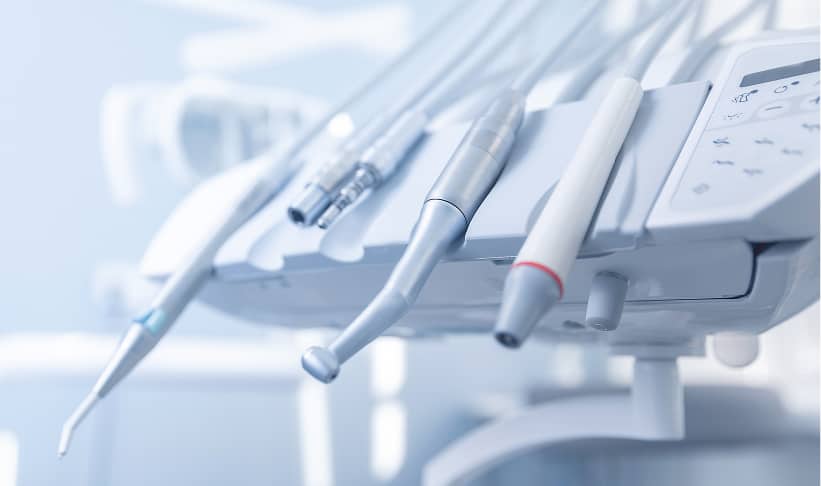
dentist's tools

Your Trusted Partner in Practice Transitions

We understand that selling your dental office is one of the biggest financial and professional decisions you’ll ever make.

Whether you’re preparing for retirement, exploring new opportunities, or ready for a lifestyle change, our team provides end-to-end guidance — from valuation to closing.

With deep knowledge of the Midwest dental market, industry-specific expertise, and a network of pre-qualified buyers,

We help you

  • raising arrow icon

    Maximize your practice’s market value

  • paperwork icon

    Sell confidentially and efficiently

  • person and stars icons

    Protect your professional reputation and patient relationships

How Selling Your Dental Practice Works

We’ve organized the process into four clear phases so you always know what’s next.
We handle valuation, marketing, and buyer vetting to ensure strong offers from qualified buyers.

What Drives Practice Value

When preparing to sell a dental pratice, even small operational factors can significantly impact valuation.

Some key elements buyers look at when determining value:

  1. 01. Payer Mix

    A balanced PPO and fee-for-service mix leads to stronger reimbursement rates and predictable cash flow — two things buyers love. Heavy discount plan reliance, however, can push valuations down because revenue per patient is lower. Showing a thoughtful payer strategy builds buyer confidence.

  2. 02. Hygiene Production

    Healthy hygiene production (often 25–35% of total revenue) signals a strong recall program and loyal patient base. It tells buyers that future production isn’t solely dependent on the selling doctor. This reduces risk and supports a higher multiple.

  3. 03. Chair Utilization & Scheduling Efficiency

    Buyers look for practices with strong demand and smart scheduling — not empty chairs. High utilization and same-day treatment capability show room to grow without major investment. It’s a direct indicator of revenue efficiency and scalability.

  4. 04. Lease Terms

    Lease security matters. Favorable rent, remaining term, and renewal options protect buyers from relocation risks and unexpected cost jumps. If you own your building, fair rent and a willingness to negotiate can further improve deal terms.

  5. 05. Accounts Receivable

    Clean, current A/R shows disciplined billing and collections — and that buyers won’t inherit old, uncollectible balances. A strong policy also reflects trustworthy financial operations. Practices with bloated or aged A/R often face downward valuation pressure.

  6. 06. Staff Stability

    Stability among hygienists, assistants, and associates is a major selling point. A cohesive, committed team reduces transition risk and maintains patient trust after the sale. Buyers pay a premium when they believe the staff will stay long-term.

Typical Sale Timeline (3–6 Months)

How to Sell a Dental Practice Quickly Without Missing Any Key Steps

Phase Estimated Duration Key Milestones
Valuation & Prep 2–4 weeks Confidential valuation, listing prep, and marketing materials
Buyer Outreach 4–8 weeks Targeted promotion and qualified buyer introductions
Offer & LOI 3–4 weeks Offer evaluation, deal term negotiation, and Letter of Intent execution
Diligence & Financing 4–6 weeks Buyer review, lender approval, and contract prep
Closing & Transition 4–6 weeks Final contracts, staff and patient communication plan, and handoff
men shaking hands

Find Out How Much A Dental Practice Sells For

With proven expertise, full confidentiality, and a track record of successful transitions, we make the process seamless and stress-free.

A professional valuation puts you in a position to move faster. Get the insight and preparation needed to sell your dental practice quickly, confidently, and for its highest value.

Get My Free Valuation Learn More

Frequently Asked Questions

What are common mistakes dentists make when selling?

The most costly mistake is selling after production has already dipped — when production drops, so does valuation. Other common mistakes include publicizing the sale too soon, disorganized financials, and entertaining unqualified buyers, which can all reduce leverage, slow down the process, and ultimately lower your sale price.

How long does it take to sell a dental practice?

Every practice and every transaction is unique. Our goal is to close within 6-12 months, depending on market demand and seasonality. Spring and summer typically yield faster timelines.

Can I sell my dental practice and continue working afterward?

Yes — many transitions are structured so the seller continues working part-time during a defined handoff period. This helps maintain patient relationships and can increase your sale price if buyers see continuity and production stability.

What financial documents should I prepare before selling?

Buyers expect 3 years of tax returns, production/collection reports, A/R aging, fee schedules, and lease details. Preparing this early shortens diligence and strengthens your negotiating position.

How do associateship or earn-out deals work during a sale?

Some buyers offer phased transitions where you stay on as an associate temporarily or retain partial ownership. This can increase total compensation if the practice grows post-sale — but terms must protect your interests.

Do I need a dental practice broker or can I sell on my own?

Selling independently limits you to whoever you can personally reach — which often means fewer offers and weaker leverage. A dental-focused broker brings a ready pool of qualified buyers, maintains strict confidentiality, and uses specialized negotiation expertise to secure stronger terms and a higher net outcome.